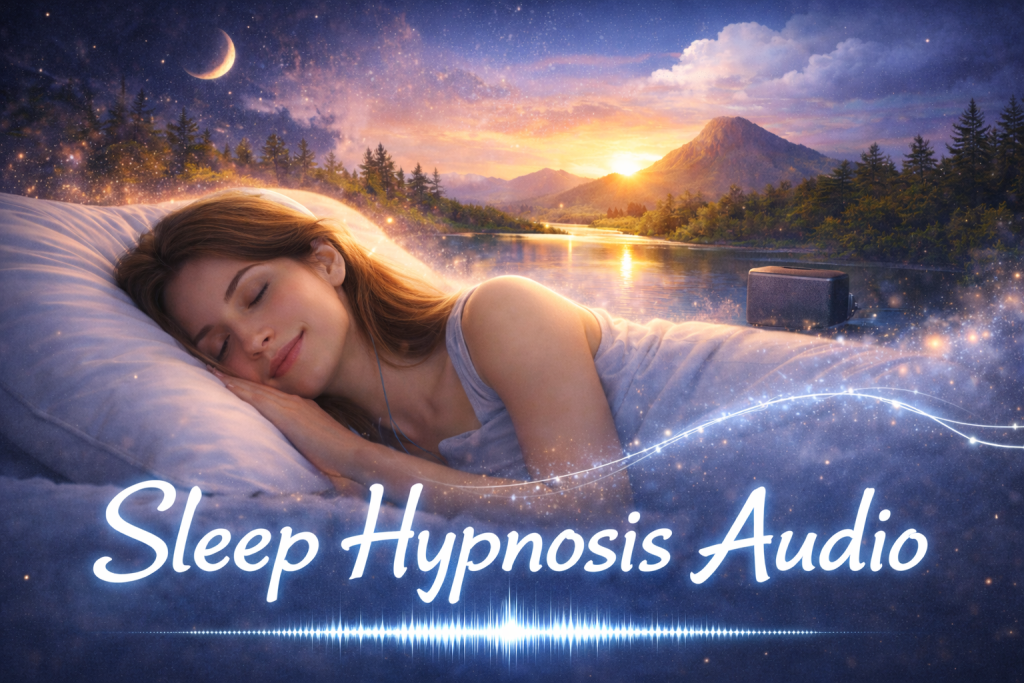
If you’ve ever found yourself lying in bed, exhausted after a long day, only to become mysteriously wide awake the moment your head hits the pillow, you’re not alone. Millions of people struggle with the frustrating gap between feeling tired and actually falling asleep. This is where sleep hypnosis audio can become your secret weapon for achieving the smooth, natural transition to sleep that seems to come so effortlessly to others.
Sleep hypnosis audio works by occupying your conscious mind with guided relaxation techniques while allowing your body’s natural sleep processes to take over in the background. Think of it as a gentle distraction that prevents you from monitoring whether you’re falling asleep – the very monitoring that often keeps you awake.
Understanding the Sleep Onset Challenge
The transition from wakefulness to sleep should be seamless, but for many people, it becomes a nightly battle. Your brain, designed to keep you alert and aware during the day, sometimes struggles to shift gears when it’s time to rest.
During this transition period, your mind may become hypervigilant, scanning for potential problems or discomforts. You might find yourself acutely aware of your heartbeat, your breathing pattern, or every small sound in your environment. This heightened awareness creates a paradox: the more you try to fall asleep, the more elusive sleep becomes.
Sleep hypnosis audio addresses this challenge by providing your active mind with something to focus on other than the process of falling asleep. The gentle guidance helps break the cycle of sleep performance anxiety that keeps so many people trapped in wakefulness.
How Sleep Hypnosis Audio Works
Sleep hypnosis audio utilizes a combination of relaxation techniques, guided imagery, and progressive muscle relaxation to create an optimal mental state for sleep. The narrator’s voice serves as an anchor for your attention, preventing your mind from wandering to stressful thoughts or tomorrow’s to-do list.
The process typically involves several stages. First, the audio guides you through initial relaxation techniques, helping to release physical tension. Next, it may incorporate breathing exercises or visualization to calm your nervous system. Finally, the guidance gradually becomes softer and less directive, allowing your mind to drift naturally toward sleep.
Research from the Sleep Foundation shows that relaxation techniques can significantly reduce the time it takes to fall asleep and improve overall sleep quality. Sleep hypnosis combines multiple evidence-based approaches into one convenient audio format.
The Science Behind Hypnotic Sleep Induction
When you listen to sleep hypnosis audio, several physiological changes occur in your body. Your breathing naturally slows and deepens, your heart rate decreases, and your muscle tension releases. These changes signal to your brain that it’s safe to transition into sleep mode.
The repetitive, soothing nature of the guidance helps activate your parasympathetic nervous system – your body’s “rest and digest” response. This is the opposite of the fight-or-flight response that keeps you alert and anxious about not sleeping.
Additionally, the focused attention required to follow the hypnotic suggestions helps quiet the default mode network in your brain – the neural pathway responsible for self-referential thinking and worry. When this network becomes less active, your mind naturally becomes more receptive to sleep.
15 Benefits of Using Sleep Hypnosis Audio
Regular use of sleep hypnosis audio can provide numerous benefits beyond simply falling asleep faster:
- Reduced sleep onset time: Many users report falling asleep within 15-20 minutes instead of lying awake for hours
- Decreased sleep anxiety: The audio provides reassurance and structure to your bedtime routine
- Improved sleep quality: Deeper, more restorative sleep throughout the night
- Lower stress levels: Regular relaxation practice reduces overall stress and tension
- Better emotional regulation: Quality sleep improves your ability to manage emotions
- Enhanced focus: Well-rested minds perform better during waking hours
- Reduced physical tension: Progressive muscle relaxation releases stored tension
- Consistent sleep schedule: Audio helps establish regular bedtime routines
- Drug-free solution: Natural approach without side effects or dependency concerns
- Portable relaxation: Can be used anywhere you sleep
- Cost-effective: One-time purchase provides unlimited use
- Customizable experience: Various styles and lengths to suit different preferences
- Skill development: Teaches relaxation techniques you can use independently
- Confidence building: Success with audio builds confidence in your ability to sleep
- Reduced racing thoughts: Guided focus prevents mental overthinking
Getting Started with Sleep Hypnosis Audio
Beginning your journey with sleep hypnosis audio requires minimal preparation, but a few simple steps can maximize your success. Start by creating an environment conducive to sleep – dim the lights, ensure comfortable room temperature, and minimize distractions.
Choose audio recordings specifically designed for sleep rather than general relaxation or meditation. Sleep-focused content includes elements specifically crafted to guide you into unconsciousness, while other types of audio might actually keep you more alert.
Begin listening to your chosen sleep hypnosis audio about 30 minutes before your desired sleep time. This allows your body and mind to start the relaxation process gradually rather than expecting immediate results the moment you lie down.
Timing Your Sessions
Most effective sleep hypnosis audio sessions last between 20-60 minutes. Shorter sessions work well for people who fall asleep quickly once relaxed, while longer sessions benefit those who need more time to wind down completely.
If you’re still awake after your session ends, resist the urge to restart immediately or check the time. Instead, continue lying still and practice the breathing techniques or visualization methods you learned during the audio. Often, sleep comes shortly after the guidance ends.
Common Mistakes to Avoid
Even with the best intentions, beginners often make mistakes that can reduce the effectiveness of their sleep hypnosis audio practice. Being aware of these pitfalls can help you achieve better results faster.
Expecting Instant Results
One of the most common mistakes is expecting immediate success on the first night. While some people do fall asleep quickly with their first session, most require several nights to fully adapt to the process. Your brain needs time to learn new relaxation patterns and trust the guidance.
Give yourself at least a week of consistent practice before evaluating the effectiveness. Like any new skill, sleep hypnosis becomes more powerful with repetition and familiarity.
Monitoring Your Progress
Constantly checking whether you’re falling asleep defeats the purpose of the audio guidance. Avoid looking at the clock, mentally tracking how long you’ve been listening, or analyzing whether the techniques are working. This self-monitoring keeps your analytical mind active when you need it to rest.
Instead, focus entirely on following the narrator’s instructions. If your mind wanders to thoughts about sleep or time, gently redirect your attention back to the voice without judgment.
Using Inappropriate Audio Content
Not all relaxation audio is suitable for sleep induction. Avoid content with upbeat music, frequent voice changes, or meditation practices designed to increase awareness. These elements can actually make you more alert instead of promoting sleepiness.
Look for recordings specifically labeled as “sleep hypnosis” or “sleep induction” rather than general relaxation or mindfulness content. The language patterns and pacing in true sleep hypnosis are carefully designed to guide you toward unconsciousness.
Uncomfortable Positioning
Lying in an uncomfortable position while listening will keep part of your attention focused on physical discomfort. Take time to find a comfortable sleeping position before starting your audio session, and resist the urge to constantly readjust once you’ve settled in.
If you must move to maintain comfort, do so slowly and mindfully, then immediately return your focus to the audio guidance.
Expert Tips for Maximum Effectiveness
To get the most benefit from your sleep hypnosis audio practice, implement these proven strategies that sleep specialists and hypnotherapy experts recommend.
Create a Consistent Routine
Use your chosen audio at the same time each night to establish a strong sleep association. Your brain will begin to recognize the familiar voice and music as signals that sleep time is approaching, making the relaxation response happen more quickly.
Consistency also helps retrain your sleep onset patterns. If you’ve been struggling with sleep difficulties for months or years, your nervous system needs repeated positive experiences to establish new, healthier patterns.
Practice During the Day
Listen to shortened versions of your sleep audio during daytime relaxation sessions. This builds familiarity with the techniques and strengthens your relaxation response without the pressure of needing to fall asleep.
Daytime practice also helps you learn which types of guidance work best for your mind. Some people respond better to visualization, while others prefer progressive muscle relaxation or breathing techniques.
Adjust Volume Carefully
Set your audio volume just loud enough to hear clearly but not so loud that it feels stimulating. The goal is gentle guidance that your mind can follow effortlessly. If you strain to hear or feel jarred by sudden volume changes, your nervous system won’t relax fully.
Many devices allow you to set audio to gradually decrease in volume over time, which can be helpful as you move deeper into relaxation and need less auditory input.
Choose Quality Over Quantity
Rather than collecting multiple different sleep audio recordings, find one or two that resonate with you and use them consistently. Familiarity with specific guidance allows you to relax more deeply because you don’t need to actively listen to understand what’s coming next.
According to research published by the National Institutes of Health, consistent use of the same relaxing audio content can improve sleep quality more effectively than constantly changing stimuli.
Understanding the “Almost Asleep” Phenomenon
Many people experience the frustrating moment of getting very close to sleep, only to suddenly jolt back to full wakefulness. This common experience has a physiological explanation and can be addressed with proper sleep hypnosis audio techniques.
This “hypnic jerk” or sudden awakening often occurs when your brain misinterprets the normal muscle relaxation that happens as you fall asleep. Your nervous system, still partially alert, mistakes this relaxation for danger and triggers an awakening response.
Sleep hypnosis audio helps by providing continuous, gentle guidance that keeps your conscious mind occupied during this vulnerable transition period. The narrator’s voice serves as a reassuring anchor that signals to your brain that it’s safe to continue relaxing.
Managing Sleep Performance Anxiety
If you’ve struggled with sleep difficulties for an extended period, you may have developed anxiety specifically about the sleep process itself. You might find yourself calculating how many hours of sleep you’ll get, worrying about being tired tomorrow, or feeling frustrated when sleep doesn’t come quickly.
This performance anxiety creates a vicious cycle where the pressure to sleep makes sleep impossible. Sleep hypnosis audio interrupts this cycle by giving your mind something constructive to focus on instead of your sleep concerns.
The key is learning to release the need to control or monitor your sleep process. The audio guidance teaches you to become a passive observer of relaxation rather than an active participant trying to make sleep happen.
Building Long-Term Sleep Success
While sleep hypnosis audio can provide immediate relief for many people, the ultimate goal is developing natural, healthy sleep patterns that don’t require external assistance. Think of the audio as training wheels that support you while you rebuild confidence in your ability to sleep.
Most people find that after several weeks of consistent use, they need the audio less frequently. Your nervous system learns new relaxation responses, and your confidence in your ability to fall asleep naturally increases.
However, many long-term users choose to continue with occasional sessions, especially during stressful periods or when their sleep schedule becomes disrupted. This is perfectly normal and beneficial – there’s no need to stop using a tool that consistently helps you sleep better.
Combining Audio with Good Sleep Hygiene
Sleep hypnosis audio works best when combined with solid sleep hygiene practices. This includes maintaining consistent sleep and wake times, creating a cool, dark sleeping environment, and avoiding screens for at least an hour before bed.
Consider your audio practice as one component of a comprehensive approach to better sleep rather than a standalone solution. The relaxation skills you learn from hypnosis audio can enhance the effectiveness of other healthy sleep habits.
Troubleshooting Common Challenges
Even with consistent practice, you may encounter occasional challenges with your sleep hypnosis audio routine. Understanding how to address these issues can help you maintain progress toward better sleep.
When Your Mind Resists Guidance
Some nights, your mind might feel particularly active or resistant to following the audio instructions. This is normal and doesn’t indicate failure. On these nights, focus on the breathing techniques or simply listen passively without trying to actively participate.
Remember that the goal isn’t perfect relaxation every night, but rather gradual improvement in your overall sleep patterns. Even partially successful sessions contribute to positive changes in your sleep system.
Dealing with Skepticism
If you find yourself thinking “this isn’t working” or “this is silly,” acknowledge these thoughts without judgment and gently return your attention to the guidance. Skepticism is common and doesn’t prevent the audio from being effective.
Many people who initially felt doubtful about sleep hypnosis become strong advocates after experiencing its benefits firsthand. Give the process time to work, even if it feels unfamiliar at first.
Advanced Techniques and Progression
As you become more comfortable with basic sleep hypnosis audio, you might want to explore more advanced techniques or variations that can deepen your practice and improve your results further.
Some experienced users benefit from binaural beats or specific sound frequencies designed to encourage brain wave patterns associated with deep relaxation. Others prefer nature sounds combined with gentle guidance, or purely instrumental music with embedded hypnotic suggestions.
The key is continuing to experiment mindfully while maintaining consistency with techniques that work for you. Advanced doesn’t necessarily mean better – the most effective approach is the one you’ll use regularly and that consistently helps you achieve restful sleep.
Creating Your Personal Sleep Sanctuary
Consider developing a complete pre-sleep ritual that incorporates your audio practice along with other relaxing activities. This might include gentle stretching, reading, or journaling before beginning your hypnosis session.
The more thoroughly you can separate your sleep time from the activities and mindset of your day, the more effective your audio guidance will become. Your bedroom should feel like a sanctuary dedicated to rest and restoration.
Conclusion: Your Path to Natural, Effortless Sleep
Sleep hypnosis audio offers a gentle, natural solution for the millions of people who struggle with the transition from wakefulness to sleep. By providing guided relaxation that occupies your conscious mind while your body’s natural sleep processes take over, these recordings can transform your nightly experience from frustration to peaceful rest.
Remember that developing new sleep patterns takes time and patience. What matters most is consistent practice and a willingness to let go of the need to control your sleep process. With regular use, most people find that falling asleep becomes easier, more predictable, and far less stressful.
The investment in quality sleep through hypnosis audio pays dividends in every area of your life. Better sleep means improved mood, enhanced cognitive function, stronger immune system, and greater overall life satisfaction. Your future well-rested self will thank you for taking this important step toward healthier sleep habits.
Start tonight with a commitment to giving sleep hypnosis audio a fair trial for at least one week. Allow yourself to be guided into the effortless sleep that your body naturally knows how to achieve, and discover the profound difference that truly restful nights can make in your daily life.