Hypnosis has evolved far beyond the stereotypical pocket watch swinging back and forth. Modern hypnosis tools combine cutting-edge technology with time-tested techniques to create powerful transformation experiences. Whether you’re a complete beginner or looking to enhance your existing practice, these 7 revolutionary tools will open new doors to personal development and positive change.
The beauty of today’s hypnosis landscape lies in its accessibility. You no longer need to visit a professional hypnotherapist to experience the profound benefits of hypnotic states. With the right tools and knowledge, you can begin your journey toward transformation from the comfort of your own home.
Understanding Modern Hypnosis Tools
Before diving into our list of 7 game-changing tools, it’s important to understand what makes modern hypnosis tools so effective. Unlike traditional methods that relied solely on verbal suggestions, today’s tools incorporate multiple sensory channels, personalization features, and scientific backing to maximize results.
These tools fall into several categories: digital applications, audio programs, physical devices, and technique-based methods. Each serves a specific purpose and can be combined for enhanced effectiveness. The key is finding the right combination that resonates with your learning style and personal goals.
The 7 Revolutionary Hypnosis Tools
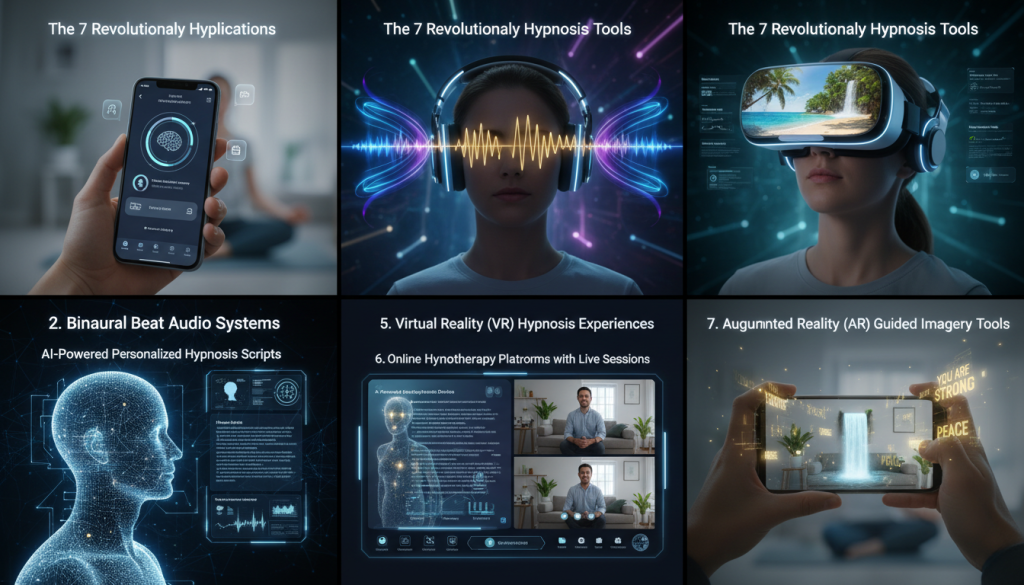
1. Smartphone Hypnosis Applications
The most accessible entry point into the world of hypnosis is through smartphone applications. These hypnosis tools offer convenience, variety, and professional-quality content at your fingertips. Popular apps like Headspace and Calm have expanded their offerings to include hypnosis sessions for specific goals.
What makes these apps revolutionary is their ability to track your progress, send reminders, and adapt to your schedule. Many feature professionally recorded sessions by certified hypnotherapists, covering everything from anxiety reduction to confidence building. The best apps also include educational content to help you understand the science behind hypnosis.
2. Binaural Beat Audio Systems
Binaural beats represent a fascinating intersection of technology and neuroscience. These audio tools use specific frequency patterns to guide your brain into optimal states for hypnotic suggestions. When you listen through headphones, your brain naturally synchronizes with the beat patterns, making it easier to enter deep, receptive states.
The revolutionary aspect of binaural beats lies in their ability to bypass conscious resistance. Even skeptical beginners often find themselves responding to suggestions when their brainwaves are properly aligned. This makes them invaluable hypnosis tools for those who struggle with traditional induction methods.
3. Virtual Reality Hypnosis Platforms
Virtual reality is transforming how we experience hypnosis by creating immersive environments that enhance suggestibility. VR headsets transport you to calming beaches, peaceful forests, or abstract mindscapes designed to facilitate deep relaxation and focus.
These platforms excel at engaging multiple senses simultaneously, creating more vivid and memorable hypnotic experiences. The visual and auditory immersion helps beginners overcome distractions and achieve deeper states more quickly than traditional methods alone.
4. Professional Recording Equipment for Self-Hypnosis
Creating personalized hypnosis recordings might seem advanced, but modern recording tools have made this accessible to beginners. High-quality USB microphones and free recording software allow you to create custom sessions tailored to your specific needs and goals.
The power of hearing your own voice delivering positive suggestions cannot be overstated. Many practitioners report faster and more lasting results when using self-recorded sessions. This approach also allows for complete customization of language patterns, timing, and specific triggers that resonate with you personally.
5. Hypnotic Language Pattern Scripts
One of the most valuable yet overlooked hypnosis tools is a collection of proven language patterns and scripts. These written resources provide the foundation for effective hypnotic communication, whether you’re practicing self-hypnosis or working with others.
Quality script collections include various induction methods, deepening techniques, and suggestion frameworks for different goals. They serve as training wheels for beginners while providing professional hypnotherapists with tested content they can adapt to their clients’ needs.
6. Wearable Biofeedback Devices
Modern wearable technology has revolutionized how we monitor and optimize our hypnotic states. Devices that track heart rate variability, skin conductance, and breathing patterns provide real-time feedback on your relaxation levels and receptivity to suggestions.
These tools help beginners learn to recognize the physical sensations associated with hypnotic states. Over time, this awareness allows for quicker and more reliable entry into productive trance states. Some devices even provide gentle vibrations or audio cues when you’ve reached optimal conditions for suggestion work.
7. Online Learning Platforms and Communities
Knowledge is perhaps the most powerful tool in your hypnosis arsenal. Comprehensive online learning platforms provide structured education on hypnotic principles, techniques, and applications. The American Psychological Association’s resources on therapeutic techniques offer scientifically-backed information on hypnosis applications.
These platforms often include video demonstrations, interactive exercises, and community forums where beginners can ask questions and share experiences. The social learning aspect helps maintain motivation and provides support during the learning process.
Tools and Supplies You’ll Need
Starting your hypnosis journey doesn’t require a massive investment. Here’s what beginners should consider acquiring:
- Quality headphones – Essential for binaural beats and ensuring clear audio quality
- Comfortable seating – A reclining chair or cushioned space for relaxation
- Smartphone or tablet – For accessing apps and digital content
- Journal or notebook – To track progress and record insights
- Basic recording equipment – USB microphone if you plan to create custom sessions
- Reliable internet connection – For streaming content and accessing online resources
Remember that the most expensive tools aren’t necessarily the most effective. Many practitioners achieve excellent results using free apps and basic equipment. The key is consistent practice and choosing tools that align with your learning preferences.
Common Mistakes to Avoid
Even with the best hypnosis tools at your disposal, certain mistakes can hinder your progress. Being aware of these pitfalls helps ensure more successful outcomes.
Expecting instant results is perhaps the most common error beginners make. Hypnosis is a skill that develops over time, and individual response rates vary significantly. Give yourself at least several weeks of consistent practice before evaluating effectiveness.
Tool hopping represents another frequent mistake. Many beginners continuously switch between different apps, methods, or techniques without giving any single approach enough time to work. Choose one primary method and stick with it for at least 30 days before making changes.
Ignoring the educational component limits your progress significantly. Understanding how hypnosis works and why certain techniques are effective makes you a more responsive subject. Resources like the National Center for Biotechnology Information’s research on hypnosis mechanisms provide valuable scientific insights.
Practicing in unsuitable environments can sabotage even the best tools. Ensure your practice space is quiet, comfortable, and free from interruptions. Turn off notifications and let family members know not to disturb you during sessions.
Tips and Advice for Maximum Success
Maximizing the effectiveness of your chosen hypnosis tools requires more than just having the right equipment. These practical tips will help you get the most from your investment and effort.
Establish a consistent practice schedule that aligns with your natural rhythms. Many people find morning or evening sessions most effective, but the key is consistency rather than timing. Even 10-15 minutes daily produces better results than sporadic longer sessions.
Set clear, specific goals for each session and overall practice. Vague intentions like “feeling better” are less effective than specific objectives such as “reducing presentation anxiety” or “improving sleep quality.” This clarity helps your subconscious mind focus its efforts.
Track your progress systematically using whatever method works for you. Some prefer detailed journals, while others use simple rating scales or smartphone apps. Regular monitoring helps identify what’s working and what needs adjustment.
Combine different tools strategically rather than using them randomly. For example, use binaural beats to relax, then switch to a specific suggestion recording, followed by journaling about the experience. This layered approach often produces superior results.
Be patient with the learning process and remember that hypnosis affects everyone differently. Some people respond quickly to audio programs, while others prefer visual or kinesthetic approaches. Experiment to find your optimal combination of tools and techniques.
Building Your Personal Hypnosis Toolkit
The most effective approach involves gradually building a personalized collection of hypnosis tools that work synergistically. Start with one or two basic tools, master their use, then gradually add complementary methods.
Consider your specific goals, learning style, and lifestyle when selecting tools. A busy professional might benefit most from smartphone apps and binaural beats, while someone with more time might prefer creating custom recordings and using biofeedback devices.
Remember that the most sophisticated tools are only as effective as your commitment to using them consistently. A simple app used daily will produce better results than expensive equipment that sits unused. Focus on building sustainable habits around whichever tools you choose.
The Future of Hypnosis Tools
The landscape of hypnosis tools continues evolving rapidly, with artificial intelligence, improved biofeedback systems, and more sophisticated virtual reality experiences on the horizon. However, the fundamental principles of hypnosis remain constant, regardless of the delivery method.
By starting your journey now with proven tools and techniques, you’re positioning yourself to benefit from both current methods and future innovations. The skills you develop using today’s tools will enhance your ability to leverage whatever new technologies emerge.
Your transformation journey begins with taking the first step. Choose one or two tools from our list of 7 revolutionary options, commit to consistent practice, and remain open to the profound changes that hypnosis can facilitate in your life. The tools are available, the knowledge is accessible, and your potential for positive change is limitless.